Source Magnetic Centrifugal Oil Pump for Circulating and Condensate Uses
Find 30 magnetic centrifugal oil pump models from Chinese manufacturers. Compare specifications including high-pressure and low-pressure variants, horizontal split casings, and API610 standards for industrial circulating and condensate applications; compare the available evidence and request quotations based on your requirements.
Key considerations
Products List


$500.00 - $50000.00
Moq: 1




Comprehensive Sourcing Guide
Magnetic Centrifugal Oil Pump Sourcing Guide
Buyers must first distinguish between magnetic drive and motor-driven configurations, as the supplied data indicates both driving types exist within the market. The magnetic drive variant is specifically noted for its sealed operation, which is critical for handling volatile or hazardous oils without leakage risks. In contrast, motor-driven models often appear in applications requiring higher torque or specific irrigation and circulating pump setups. Understanding this fundamental mechanical difference is the first step in narrowing down the supplier pool to those who can deliver the exact drive mechanism required for your specific process safety standards.
Procurement teams should also scrutinize the impeller design and stage configuration, as the observed listings reveal a mix of single-suction, double-suction, single-stage, and multistage options. A single-stage closed impeller is typically suited for lower head requirements, whereas multistage designs are necessary for high-pressure applications exceeding 150 meters of head. The choice between these configurations directly impacts the pump's ability to handle specific flow rates and pressure differentials. Buyers must align their process requirements with these observed mechanical attributes to avoid selecting a unit that is either underpowered or unnecessarily complex for the intended duty cycle.
Product Scope and Observed Listing Signals
The market for magnetic centrifugal oil pumps presents a wide variance in working pressure classifications, ranging from low-pressure units to high-pressure systems capable of handling up to 15 MPa. This diversity means that a single supplier may offer products spanning from standard circulating pumps to specialized high-pressure oil transfer units. Buyers should not assume that all listed models share the same pressure capabilities; instead, they must verify the specific pressure rating against their operational needs. The presence of both low and high-pressure designations in the same product category highlights the importance of precise specification matching during the initial inquiry phase.
Listing signals also indicate significant variation in capacity and head, with some units boasting capacities around 4000 cubic meters per hour and heads reaching approximately 600 meters. These high-performance metrics suggest that the market includes heavy-duty industrial pumps suitable for large-scale condensate or slurry handling, alongside smaller units for general circulation. The observed temperature range of -40 to 450 degrees Celsius further expands the scope, indicating suitability for extreme thermal conditions. Procurement professionals must carefully cross-reference these observed performance limits with their specific fluid properties to ensure the selected pump can withstand the thermal and hydraulic stresses of the application.
Technical Specifications to Verify
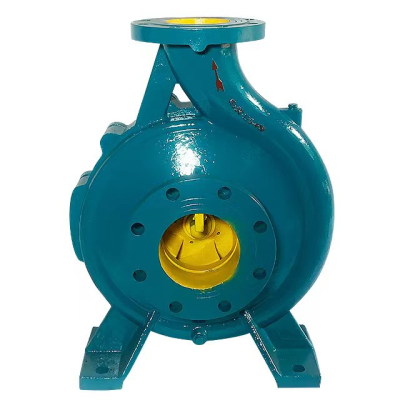
Verification of the pump shaft position and casing design is essential, as the data confirms the availability of horizontal split pumps and horizontal shaft configurations. These structural features are critical for maintenance accessibility and alignment stability in industrial settings. A horizontal split casing allows for easier inspection of internal components without dismantling the entire piping system, which is a significant operational advantage for facilities requiring frequent maintenance. Buyers should explicitly request confirmation of the casing type and shaft orientation to ensure the physical design matches their installation constraints and maintenance protocols.
The impeller type and number of stages must be validated against the specific flow and head requirements of the application. The observed listings include both single-suction and double-suction impellers, as well as single-stage and multistage arrangements. A double-suction impeller is generally preferred for balancing axial thrust in high-flow applications, while multistage designs are required to achieve the high heads observed in the market data. Buyers must ensure that the selected model's impeller configuration aligns with their hydraulic curve requirements, as mismatching these specifications can lead to cavitation, reduced efficiency, or premature mechanical failure.
Compliance and Safety Documentation
Certification status is a primary verification point, with the supplied facts explicitly listing CE, SGS, and ISO9001:2000 as available credentials for certain models. These certifications indicate that the manufacturer adheres to specific quality management and safety standards, which is vital for international procurement. However, buyers must confirm that the specific unit they are purchasing carries these valid certificates, as compliance is not guaranteed across all product lines within a supplier's catalog. Requesting current, model-specific certification documents is a necessary step to ensure regulatory compliance in the destination market.
Standard compliance extends beyond general certifications to specific industry benchmarks like API610 and GBT10832, which are noted in the high-performance listings. These standards govern the design, material selection, and testing of centrifugal pumps for severe industrial service. Adherence to API610, for instance, ensures the pump meets rigorous requirements for reliability and safety in oil and gas applications. Buyers should verify that the pump's design standard matches the regulatory or contractual requirements of their project, as relying on a generic "standard" designation without specific reference to API or GBT may result in non-compliant equipment.
Cost Drivers and Commercial Terms
Pricing in this sector is influenced heavily by the complexity of the drive system and the materials used for the casing and impeller. Magnetic drive pumps typically command a higher price point due to the specialized coupling technology required to transmit torque without a mechanical seal. Additionally, the working pressure and temperature ratings significantly impact cost, with high-pressure and high-temperature units requiring more robust engineering and exotic materials. Buyers should anticipate a wide price range, from basic low-pressure units to complex high-performance systems, and budget accordingly based on the specific technical requirements of their application.
Commercial terms such as Minimum Order Quantity (MOQ) and packaging standards also play a crucial role in the total cost of ownership. The observed data shows an MOQ range of 1 to 100 units, offering flexibility for both small-scale projects and large industrial deployments. Packaging varies from standard export wooden cases to polywood boxes, which affects shipping costs and protection during transit. Buyers should negotiate packaging requirements to ensure the equipment arrives in optimal condition, especially for high-value magnetic drive units that require careful handling to prevent damage to the sensitive magnetic coupling assembly.
Supplier Qualification and Quality Control
Supplier origin and manufacturing location are key indicators of supply chain reliability, with the data identifying manufacturers in Shanghai and Jiangsu, China. These regions are established hubs for pump manufacturing, offering a mature ecosystem of suppliers and component providers. However, buyers must verify the specific factory location and its capacity to ensure it can meet their volume and delivery timelines. Proximity to major ports in these regions can facilitate efficient logistics, but the specific capabilities of the individual supplier must be assessed to guarantee consistent quality and timely fulfillment.
Quality control processes should be validated through the supplier's adherence to documented standards and their internal testing protocols. The presence of ISO9001:2000 certification suggests a baseline quality management system, but buyers should inquire about specific factory acceptance tests (FAT) and performance verification procedures. For high-pressure or critical service pumps, requesting detailed test reports that verify flow, head, and pressure ratings is essential. Establishing a clear quality assurance framework with the supplier ensures that the delivered pumps meet the rigorous performance expectations required for industrial oil handling applications.
Long-Term Procurement Checks
Sustainability and spare parts availability are critical considerations for the long-term operation of magnetic centrifugal oil pumps. The magnetic coupling is a wear component that may require replacement over time, and the availability of these specific parts from the original manufacturer is vital for minimizing downtime. Buyers should confirm the supplier's policy on spare parts supply, including the expected lead times for critical components like the coupling or impeller. Ensuring a reliable supply chain for maintenance parts is as important as the initial purchase price in maintaining operational continuity.
Performance monitoring and lifecycle management should be integrated into the procurement strategy to maximize the return on investment. Given the wide range of operating conditions, from -40 to 450 degrees Celsius, regular inspection and maintenance schedules are necessary to prevent premature failure. Buyers should establish a protocol for monitoring pump performance against the original specifications, such as flow rate and pressure stability. By proactively managing the pump's lifecycle and maintaining a relationship with the supplier for technical support, organizations can ensure the equipment continues to operate efficiently throughout its intended service life.
FAQs
What is the working pressure range for these magnetic centrifugal oil pumps?
These pumps operate across low, middle, and high pressure classifications. Specific models support pressures up to approximately 15MPa and heads around 600m. This versatility allows selection based on specific system requirements, ensuring efficient fluid transfer for various industrial applications without compromising performance or safety standards.
Can I customize the magnetic centrifugal oil pump specifications?
Yes, customization is available for these units. Buyers can select from various models like CYZ-A, MVP, or BB3 to match specific operational needs. Options include different impeller types, such as single or double-suction designs, and varying mounting heights. This flexibility ensures the pump integrates seamlessly into existing infrastructure.
Which certifications do these magnetic centrifugal oil pumps hold?
These pumps typically hold CE, SGS, and ISO9001:2000 certifications. Some models also adhere to API610 and Gbt10832 standards. These credentials verify compliance with international quality and safety regulations. Buyers can rely on these documented standards to ensure the equipment meets rigorous industry requirements for reliability and operational efficiency in diverse environments.
How is the magnetic centrifugal oil pump packaged for export?
The pumps are packaged in standard export wooden cases, plywood cases, or polywood cases. Some smaller units may arrive in cartons. This robust packaging protects the equipment during transit. The standard export methods ensure that the machinery arrives in optimal condition, minimizing the risk of damage and facilitating straightforward installation upon delivery.
What is the maximum capacity and head for these pumps?
Maximum capacity can reach approximately 4000 cubic meters per hour, with flows exceeding 400 L/min. The head can reach around 600 meters. These high-performance metrics support demanding industrial applications. The combination of substantial flow rates and pressure capabilities makes these pumps suitable for large-scale circulation and transfer operations.
Where are these magnetic centrifugal oil pumps manufactured?
These pumps are manufactured in China, specifically in regions like Shanghai and Jiangsu. This location provides access to established industrial supply chains and manufacturing expertise. Buyers benefit from the efficiency of these production hubs, which are known for producing high-quality industrial machinery that meets international standards and delivery expectations.